How Professional Movers Protect Floors, Walls, and Furniture in Hot Springs Homes
How Professional Movers Protect Floors, Walls, and Furniture in Hot Springs Homes
You're hiring professional movers to avoid the stress and physical demands of relocating yourself. But there's another reason to use experienced movers that doesn't get discussed as much—protecting your property from the damage that inevitably happens when heavy furniture travels through doorways, down hallways, and up or down stairs.
Scratched hardwood floors, dented walls, chipped door frames, and damaged furniture aren't just cosmetic problems. They cost money to repair, reduce home value, and can mean losing security deposits if you're renting. Hot Springs homes, particularly older properties downtown or in historic neighborhoods, often have features worth protecting—original hardwood, vintage trim, or architectural details that can't be easily replaced.
Here's what professional movers actually do to prevent damage, and why these protective measures matter more in certain Hot Springs properties than others.
Why Moving Damage Happens
Understanding how damage occurs explains why protection is necessary in the first place.
Tight Spaces and Heavy Items
Furniture doesn't fit perfectly through doorways. Couches, dressers, and mattresses need to be angled, tilted, and maneuvered through spaces that are sometimes just inches wider than the item itself. During this process, corners bump walls, edges scrape door frames, and bases drag across floors.
The heavier the item, the more momentum it carries. A 200-pound dresser that bumps a wall does more damage than a lightweight chair. Stopping and redirecting heavy items takes strength and technique—without both, things hit harder than intended.
Stairs Multiply Risk
Stairs concentrate all the challenges of moving into a smaller, more dangerous space. Movers navigate tight turns while supporting heavy weights at awkward angles. One slip, one loss of grip, and furniture crashes into walls, railings, or the stairs themselves.
Hot Springs homes on hillsides or properties with multiple stories make stairs unavoidable. Split-level homes common in some neighborhoods create even more stair navigation challenges.
Narrow Hallways and Corners
Older homes weren't designed with modern furniture sizes in mind. A hallway that works fine for daily foot traffic becomes problematic when you're moving a king mattress or sectional sofa through it.
Historic properties downtown often have narrow passages, tight corners, and architectural features like wainscoting or crown molding that extend into the pathway. One careless moment damages features that have survived decades.
Floor Protection Strategies
Floors take tremendous abuse during moves, especially high-traffic pathways between rooms and exits.
Floor Runners and Protective Coverings
Professional movers lay thick protective runners along the path furniture will travel. These aren't thin drop cloths—they're heavy-duty materials designed to withstand furniture being dragged, dollies rolling repeatedly, and the concentrated weight of heavy items.
Runners protect against scratches from furniture bases, marks from dolly wheels, and dents from items being set down. They also prevent dirt and debris tracked in from outside from scratching floors during repeated trips.
Quality movers replace or reposition runners as they wear or shift. A runner that's bunched up or has moved out of position stops protecting and becomes a tripping hazard.
Hardwood Floor Considerations
Hardwood floors in Hot Springs homes—especially older homes with original flooring—scratch easily and show damage prominently. Deep scratches or gouges require professional refinishing to repair, which costs hundreds or thousands of dollars depending on the extent.
Professional movers know to lift furniture completely rather than sliding it, even with runners in place. They use felt pads under furniture legs when items need to be repositioned within a room. They're careful about where heavy items are set down and how weight is distributed.
Tile and Stone Protection
Tile and stone floors are hard and durable but can crack under concentrated weight or impacts. Dropping a heavy item can shatter tiles that would otherwise last decades.
Movers protect tile floors with padding and avoid dropping or setting down heavy items forcefully. They're cautious around transitions between different flooring types where height differences create tripping hazards.
Wall and Door Frame Protection
Walls suffer during moves more than most homeowners realize until they see the damage afterward.
Padding High-Risk Areas
Professional movers identify high-risk areas—narrow doorways, tight corners, stairwell walls—and pad them before moving begins. Foam padding, thick blankets, or specialized corner guards protect vulnerable spots from furniture impacts.
This isn't padding everything randomly. It's strategically protecting areas where furniture will pass close to walls or where turns and angles make contact likely.
Doorways receive particular attention. The edges of door frames stick out slightly from walls, making them catch furniture corners. Padding door frames prevents the chipped paint and dented wood that commonly occur during moves.
Recognizing Architectural Details
Hot Springs homes, particularly older properties, often have architectural features worth protecting—original trim, wainscoting, chair rails, and decorative molding. Professional movers who work regularly in the area recognize these details and exercise appropriate caution.
They know which neighborhoods tend to have these features and adjust their approach accordingly. Moving through a 1920s home downtown requires different care than moving through a modern apartment.
Repairing Minor Damage Immediately
Despite precautions, minor wall contact sometimes happens. Professional crews carry touch-up materials for small scuffs and marks. Addressing minor issues immediately often prevents them from becoming noticeable damage.
They'll alert you to any damage that occurs so it can be addressed rather than discovered later during your final walkthrough or when your landlord inspects.
Furniture Protection Methods
Your belongings need protection from the moving process itself.
Proper Furniture Wrapping
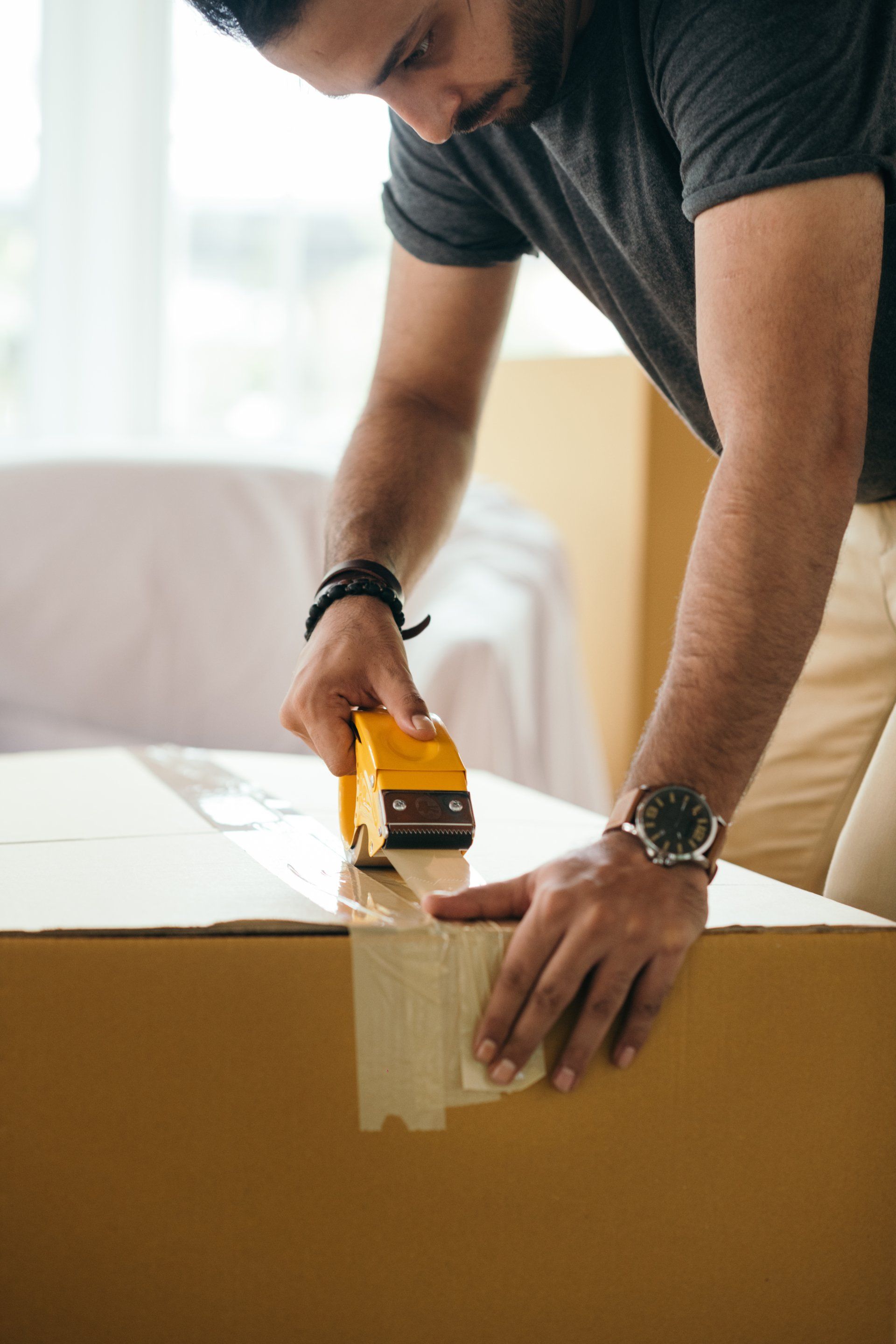
Professional movers wrap furniture in thick moving blankets secured with tape or stretch wrap. This protects finishes from scratches, prevents drawers or doors from opening during transport, and cushions items against impacts.
Wrapping isn't just throwing a blanket over furniture. It's carefully covering all surfaces, securing coverings so they don't shift, and using multiple layers for delicate or valuable pieces.
Antiques, high-end furniture, and pieces with delicate finishes receive extra attention. Some items get wrapped in paper or bubble wrap before blankets are applied for additional protection.
Disassembly When Necessary
Some furniture won't fit through doors or around corners without disassembly. Professional movers know when to remove table legs, take beds apart, or detach other components to navigate tight spaces safely.
They also know what shouldn't be disassembled because it weakens the piece or creates reassembly problems. Not all furniture that can be disassembled should be.
Proper disassembly includes keeping hardware organized and labeled so reassembly happens correctly. Missing screws or confusion about what goes where creates problems at your new location.
Specialized Equipment for Heavy Items
Moving straps, furniture dollies, and slider pads allow movers to transport heavy items without dragging them across floors or banging them into walls. These tools distribute weight properly and give movers control over large, awkward pieces.
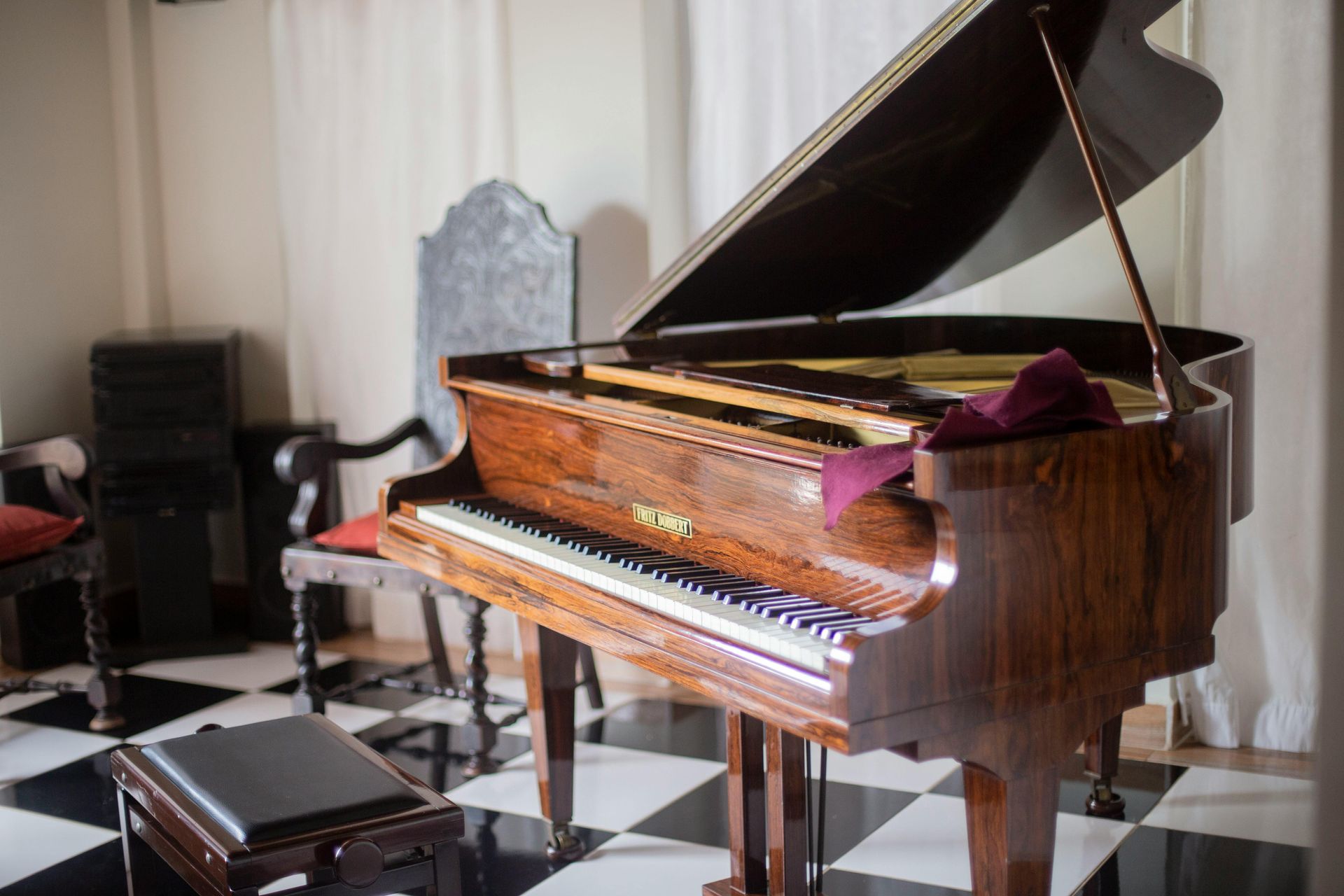
Stair-climbing dollies or specialized equipment for items like pianos and gun safes enable safe transport that wouldn't be possible through manual carrying alone.
Challenges Specific to Hot Springs Properties
Geographic and architectural features common in Hot Springs create specific protection needs.
Hillside Homes and Sloped Driveways
Properties on hills around Lake Hamilton or in mountainous areas of Hot Springs have sloped driveways and uneven terrain. Moving furniture on slopes requires extra control and creates different risks than flat properties.
Trucks parked on slopes need to be secured carefully. Items being carried downhill have momentum that's harder to control. Movers experienced with Hot Springs properties understand these challenges and adjust their approach.
Narrow Staircases in Older Homes
Historic homes and older properties often have steeper, narrower staircases than modern construction. Some have turns or landings that complicate furniture navigation.
Experienced local movers have worked in enough Hot Springs homes to recognize common layouts and anticipate challenges. They know which neighborhoods tend to have which architectural features.
Lakefront Properties and Outdoor Transitions
Homes near Lake Hamilton or Lake Catherine sometimes require moving furniture across decks, down to docks, or through outdoor spaces. These transitions expose furniture to weather and create additional navigation challenges.
Professional movers protect items from weather during outdoor portions of moves and plan routes that minimize exposure to rain, sun, or temperature extremes.
Gated Communities and HOA Properties
Some Hot Springs neighborhoods have restrictions on moving truck access, required elevator reservations, or specific moving hours. Professional movers familiar with the area know common requirements and help coordinate compliance.
They also understand which communities have tight streets, limited parking, or other access challenges that affect how moves are executed.
What Homeowners Can Do to Help
Even with professional movers, you can take steps to minimize damage risk.
Clear Pathways in Advance
Remove rugs, decorations, and any obstacles from the path movers will travel. Clear hallways, doorways, and stairs of anything that could cause trips or get damaged.
If you have pets, secure them away from moving areas. Movers can't work safely while avoiding dogs or cats underfoot.
Identify Fragile or Valuable Items
Point out anything requiring special care—antiques, expensive furniture, items with sentimental value. Professional movers will exercise appropriate caution, but they need to know which items warrant extra attention.
If you have specific concerns about particular pieces, communicate them clearly rather than hoping movers will intuit what matters most to you.
Communicate Property Quirks
If your home has specific challenges—a door that sticks, a floor board that's loose, stairs that are uneven—mention these to movers. Information about property quirks helps them navigate safely.
Alert them to any existing damage you're aware of so they're not blamed for pre-existing problems. Doing a quick walkthrough together before moving starts documents the starting condition.
When Damage Occurs Despite Precautions
Even with professional movers and proper precautions, occasional damage happens. How companies handle it matters.
Immediate Disclosure
Reputable movers disclose damage when it occurs rather than hoping you won't notice. They document what happened and discuss solutions immediately.
If movers are working around damage or trying to hide it, that's a serious problem and indicates a company you shouldn't have hired. Legitimate companies stand behind their work.
Insurance Claims Process
Professional moving companies carry insurance specifically for damage claims. They should explain the claims process, what documentation you need, and realistic timelines for resolution.
Take photos of any damage before movers leave. Document the condition of your property and belongings while everything is still fresh and evidence is available.
Repair or Compensation
Depending on the nature and extent of damage, solutions might include professional repairs paid by the moving company, compensation for diminished value, or replacement of damaged items.
Companies like Trinity Moving Company work with customers to resolve damage claims fairly rather than fighting legitimate issues or making the process difficult.
Frequently Asked Questions
Should I provide my own floor protection, or do professional movers bring it?
Professional moving companies bring their own floor runners and protective materials as part of their service. You shouldn't need to provide anything unless you have specific concerns about particular areas and want additional protection. If you do provide extra materials, coordinate with movers so they know about them and can incorporate them into their protection plan.
What happens if movers damage my rental property and I lose my security deposit?
Document any damage that occurs during the move immediately with photos and written notes. Contact your moving company's insurance to file a claim. Reputable movers should cover legitimate damage their crew caused. If your landlord withholds your deposit for moving damage, you'll need documentation proving when and how the damage occurred to pursue reimbursement from the moving company.
Trust Your Property to Experienced Professionals
Protecting floors, walls, and furniture during moves requires proper equipment, technique, and attention to detail that only comes with professional
training and experience. If you're moving in Hot Springs and want movers who understand local properties and take protection seriously, Trinity Moving Company has the expertise to handle your belongings and property with appropriate care.
Call today for a quote and discuss any specific protection concerns about your home or furniture.