Moving Vintage and Collectible Items in Hot Springs: Protecting What Can't Be Replaced
Moving Vintage and Collectible Items in Hot Springs: Protecting What Can't Be Replaced
You've spent years or decades building your collection. Vintage furniture passed down through generations. Collectibles acquired over a lifetime. Antiques with historical and monetary value. Art pieces that appreciate yearly. Items that can't simply be replaced if damaged—either because they're one-of-a-kind or because their value extends far beyond what insurance could reimburse.
Moving these items creates anxiety that standard household goods don't. Breaking a lamp is frustrating. Damaging an heirloom armoire or shattering irreplaceable collectibles is devastating. The financial loss matters, but the emotional impact of destroying something with history, sentimental value, or rarity often matters more.
Hot Springs has a strong antique and collectibles community. The city attracts collectors, and many homes contain items requiring specialized moving approaches. Whether you're moving vintage furniture, porcelain collections, antique glassware, rare books, vinyl records, or other collectibles, understanding how to protect these items during moves prevents losses that can't be undone.
Here's what actually works for moving vintage and collectible items safely.
Assessment and Inventory Before Moving
Understanding exactly what you're moving and its value informs every decision that follows.
Professional Appraisals
For high-value antiques and collectibles, professional appraisals document condition and establish values before moving. This serves multiple purposes—insurance documentation, moving company estimates, and proof of condition.
Hot Springs has antique dealers and appraisers who can evaluate items. The cost of appraisal is often worth it for pieces valued over a few thousand dollars.
Appraisals should include detailed descriptions, measurements, photographs, and current market values. Keep these documents separate from items being moved—in your possession or with trusted family members.
Photographic Documentation
Photograph collectibles from multiple angles before packing. Capture any existing damage, distinctive features, or marks that identify specific pieces.
For collections—china sets, figurines, vintage toys—photograph entire collections together, then individual pieces. This creates visual inventory and condition documentation.
Time-stamp photos or include newspapers showing dates to establish when documentation occurred.
Detailed Written Inventory
Create written inventories listing each valuable item, its approximate value, condition notes, and any identifying information—maker marks, serial numbers, provenance details.
Number items and reference these numbers on boxes during packing. This systematic approach prevents items from being lost or misplaced during moves.
Insurance Verification
Verify what your homeowner's or renter's insurance covers during moves. Standard policies often have limitations on high-value items, antiques, or collectibles.
Moving company insurance typically provides minimal coverage based on weight, not actual value. A 50-pound antique worth $10,000 might only be covered for $50-100 under standard moving insurance.
Additional insurance—either through moving companies or separate valuable items policies—protects high-value collectibles adequately.
Packing Methods for Different Collectible Types
Different items require specific packing approaches based on their fragility, value, and characteristics.
Antique Furniture
Antique furniture is structurally more fragile than modern pieces. Glue joints have weakened over decades. Wood has dried and become brittle. Finishes are often delicate and irreplaceable.
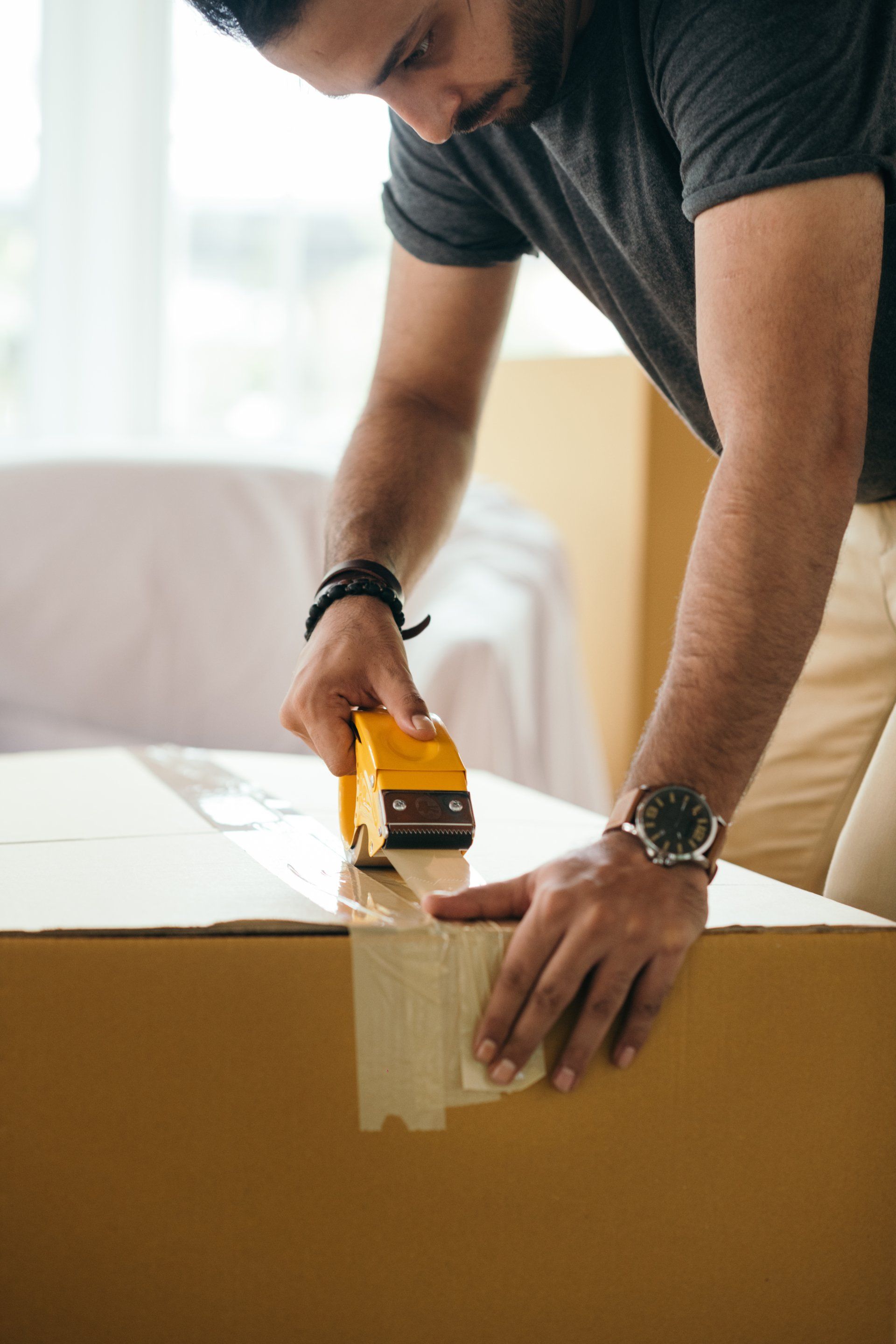
Wrap furniture in acid-free paper first to protect finishes, then cover with thick moving blankets. Secure blankets with tape that won't damage wood—painter's tape or specialized moving tape.
Disassemble only if absolutely necessary and only if you understand the construction. Antique joinery differs from modern furniture and forcing disassembly can cause irreparable damage.
Remove drawers from dressers and chests. Wrap drawers separately and transport contents removed. Fully loaded antique furniture is too heavy and structurally stressed during moves.
Protect legs, arms, and protruding elements with extra padding. These vulnerable points break easily if furniture shifts during transport.
Porcelain and China Collections
Individual wrapping for each piece is essential. Use acid-free tissue paper or unprinted newsprint—regular newspaper ink can transfer to items.
Wrap each piece multiple times, securing with tape. Place wrapped items in boxes with crushed paper as cushioning on all sides—bottom, between items, and on top.
Pack plates vertically on edge rather than stacked flat. This distributes weight better and reduces breakage risk.
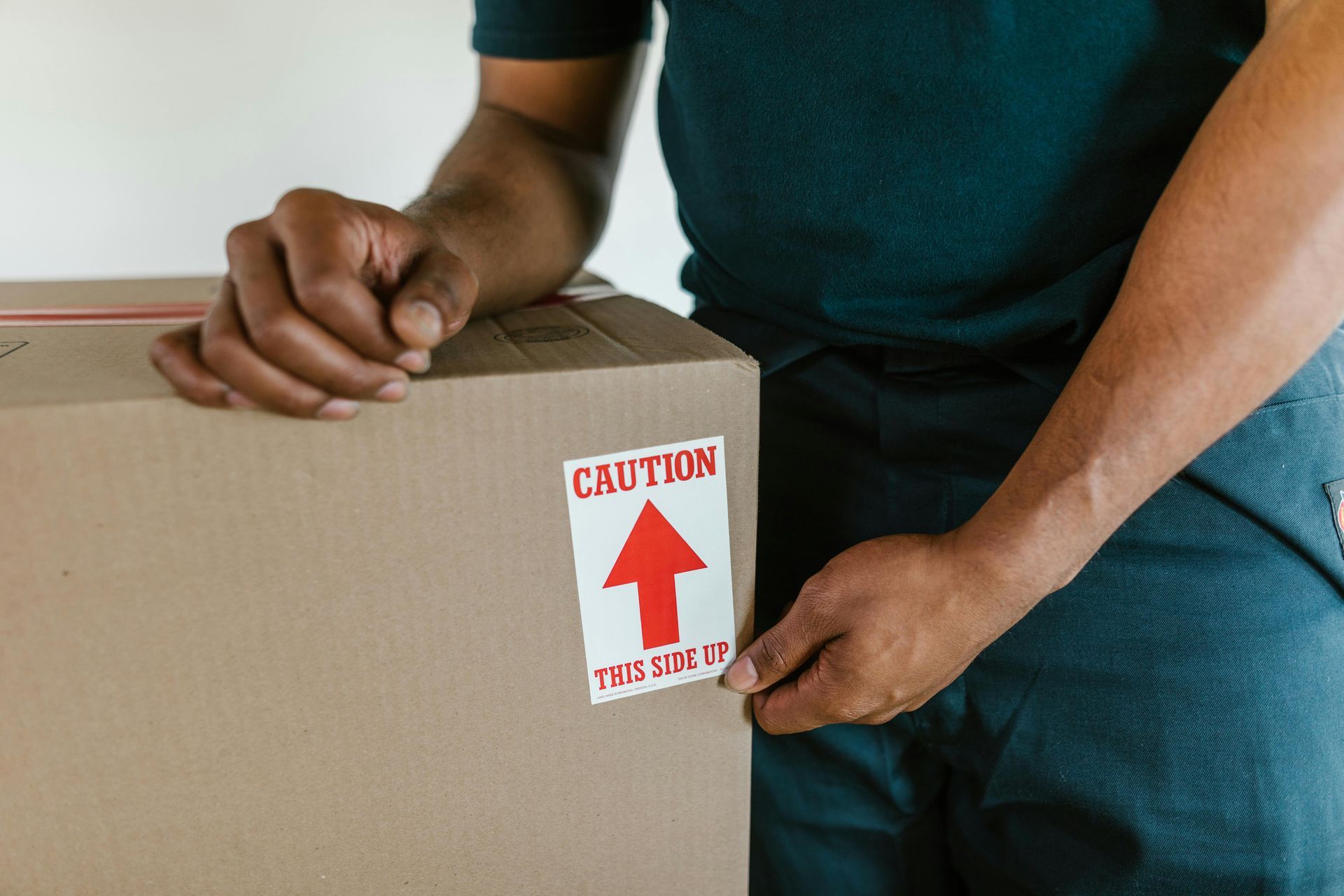
Clearly mark boxes as fragile and indicate which direction is up. Multiple "FRAGILE" labels on all sides ensure visibility regardless of how boxes are positioned.
Consider double-boxing particularly valuable or fragile pieces—place wrapped items in one box, then place that box inside a larger box with cushioning between them.
Glassware and Crystal
Glass and crystal require similar protection to china but are even more fragile. Wrap each piece individually with generous padding.
Stemware needs special attention to stems, which break easily. Some collectors prefer specialty glass packing kits with cell dividers designed for stemware.
Never pack glasses or crystal with heavy items. Keep these boxes light enough that accidental drops won't shatter contents from weight alone.
Fine Art and Paintings
Small pieces can be wrapped in acid-free paper and bubble wrap, then placed in boxes with padding.
Larger paintings and framed art need special picture boxes or crating. Professional art handlers often build custom crates for valuable pieces.
Never stack multiple paintings in one box where they contact each other. Glass can break and damage artwork. Frames can scratch adjacent pieces.
For extremely valuable art, professional art moving services provide climate-controlled transport and specialized handling beyond what general moving companies offer.
Collectible Books and Rare Editions
Books should be packed spine-down or flat, never standing on fore edges which can damage bindings.
Use appropriately sized boxes—overpacking creates too much weight and risks crushing. Under-packing allows shifting that damages books.
Rare or valuable books benefit from individual wrapping in acid-free paper before boxing.
Keep books in climate-controlled environments during transport. Extreme temperatures and humidity damage bindings, pages, and covers.
Vinyl Records and Media Collections
Records must be stored vertically, never stacked flat where weight can warp them. Use record-specific boxes or milk crates that maintain vertical storage.
Keep records in sleeves during moving. Remove records from turntables and pack players separately with tonearms secured.
CDs, DVDs, and similar media also pack vertically in boxes. While more durable than vinyl, they still crack or scratch under pressure.
Vintage Clothing and Textiles
Vintage fabrics are delicate and can deteriorate from improper storage. Use acid-free tissue paper between folds to prevent creasing.
Pack textiles in boxes or wardrobe boxes, not plastic bags where moisture can accumulate and cause mildew.
Extremely valuable or fragile textiles benefit from professional textile conservation packing methods.
Collectible Toys and Memorabilia
Original packaging significantly affects value for collectible toys. If you have original boxes, pack items in their original packaging when possible.
Bubble wrap provides good protection but can leave impressions on soft plastics in hot storage. Use tissue paper as a barrier between items and bubble wrap for valuable pieces.
Military Collectibles and Historical Items
Uniforms, medals, documents, and military collectibles often have historical and sentimental value beyond monetary worth.
Handle these items with archival preservation in mind—acid-free materials, appropriate folding methods, and climate protection.
Medals and insignia should be individually wrapped to prevent scratching or tangling.
Professional Moving vs. Self-Moving Collectibles
The decision between professional movers and handling valuable items yourself depends on several factors.
When to Use Professional Movers
Large antique furniture, heavy collectibles, or quantities of valuable items benefit from professional expertise and equipment.
Professional movers have materials, experience, and insurance specifically for valuable items. They understand weight distribution, proper lifting techniques, and how to protect delicate pieces.
For entire estate moves or substantial collections, professional handling is often worth the cost.
When to Transport Items Yourself
Small, extremely valuable collectibles that fit in personal vehicles often travel better under your direct control.
Items you can't emotionally handle being damaged by others—pieces with irreplaceable sentimental value—might travel better in your possession despite the responsibility.
If you transport items yourself, use proper packing methods and adequate padding. Don't assume that carrying something in your car automatically protects it—items still need proper packing even in personal vehicles.
Hybrid Approaches
Many collectors use hybrid approaches—professional movers handle furniture and bulk items while they personally transport the most valuable or irreplaceable pieces.
This combines professional expertise for large items with personal control over what matters most.
Climate and Environmental Protection
Hot Springs climate creates specific risks for collectibles during moves.
Temperature Sensitivity
Antique furniture, vintage musical instruments, and certain collectibles are damaged by temperature extremes and rapid changes.
Hot Springs summers see 100+ degree temperatures. Items left in moving trucks or storage units without climate control experience these extremes.
Wood furniture expands and contracts with temperature changes. Glue joints fail. Finishes crack. Musical instruments go out of tune or suffer structural damage.
Climate-controlled trucks or avoiding summer moves entirely protects temperature-sensitive collectibles.
Humidity Concerns
High humidity in Hot Springs affects paper, textiles, wood, and metal collectibles. Books mildew. Fabrics deteriorate. Wood swells. Metal corrodes.
Climate-controlled storage and transport maintains consistent humidity levels that preserve collectibles.
If you must move during humid summer months, understand the risks and take extra precautions—silica gel packets in boxes, climate-controlled transport, immediate unpacking at climate-controlled destinations.
Sunlight Exposure
Artwork, textiles, and items with finishes or colors fade from sunlight exposure. Keep these items covered during transport and avoid leaving them in situations where sun exposure occurs.
Insurance Considerations for High-Value Items
Standard insurance rarely covers collectibles adequately.
Moving Company Insurance Limitations
Basic moving insurance covers items by weight—typically $0.60 per pound. A 30-pound antique worth $5,000 gets covered for approximately $18 under basic coverage.
Full-value protection through moving companies covers actual replacement value but costs extra and may have limits or exclusions for certain high-value items.
Specialized Collectibles Insurance
Insurance companies offer policies specifically for collectibles, antiques, and valuable items. These provide coverage based on appraised values rather than arbitrary weight calculations.
If you have substantial collections or high-value items, specialized insurance is often necessary for adequate protection.
Documentation Requirements
Insurance claims require proof of value and condition. Appraisals, purchase receipts, photographs, and detailed inventories support claims if damage occurs.
Document everything before moving. After the move, if damage occurs, photograph it before attempting repairs. Claims can be denied if you alter items before insurance assessment.
Setting Up Collections at New Locations
How you unpack and display collectibles at your new Hot Springs location affects their preservation.
Environmental Conditions
Display collectibles in areas with stable temperatures and humidity. Avoid placing antiques near heating vents, air conditioning units, fireplaces, or exterior walls where temperature fluctuations occur.
Sunlight fades finishes, fabrics, and artwork. Position valuable items away from direct sun exposure.
Security Considerations
Valuable collections need security consideration—alarm systems, insurance requirements for certain security measures, and awareness of what you're displaying.
Don't advertise valuable collections unnecessarily. Social media posts showing extensive collectibles can attract unwanted attention.
Unpacking Priorities
Unpack and inspect valuable items relatively quickly after moving. Delayed unpacking means delayed damage discovery, which can complicate insurance claims.
However, don't rush unpacking to the point of carelessness. Take time to carefully unwrap and inspect each piece.
Working With Movers Who Understand Collectibles
Not all moving companies have equal experience with antiques and collectibles.
Questions to Ask Moving Companies
What experience do you have with antiques and collectibles? Request specific examples of similar items they've moved.
What packing materials and methods do you use for valuable items? Do they have specialty packing options beyond standard moving materials?
What insurance options exist for high-value collectibles? How are claims handled if damage occurs?
Communication About Specific Items
Provide detailed information about valuable items during estimates. Don't hide or minimize the value—movers need accurate information to quote appropriately and bring suitable materials.
Point out items requiring special care. Explain why certain pieces are particularly valuable or fragile so movers understand what they're handling.
Supervision During Packing and Moving
Consider being present when movers pack and handle valuable items. You can provide guidance, answer questions, and ensure appropriate care.
Some collectors prefer packing their most valuable items themselves, then having movers handle transport only.
When to Hire Specialists
Certain collectibles benefit from specialist handlers beyond general moving companies.
Art Moving Specialists
Valuable art collections, sculptures, or museum-quality pieces warrant professional art handlers who specialize exclusively in fine art transport.
These specialists provide climate-controlled transport, custom crating, and expertise general movers don't possess.
Piano Movers
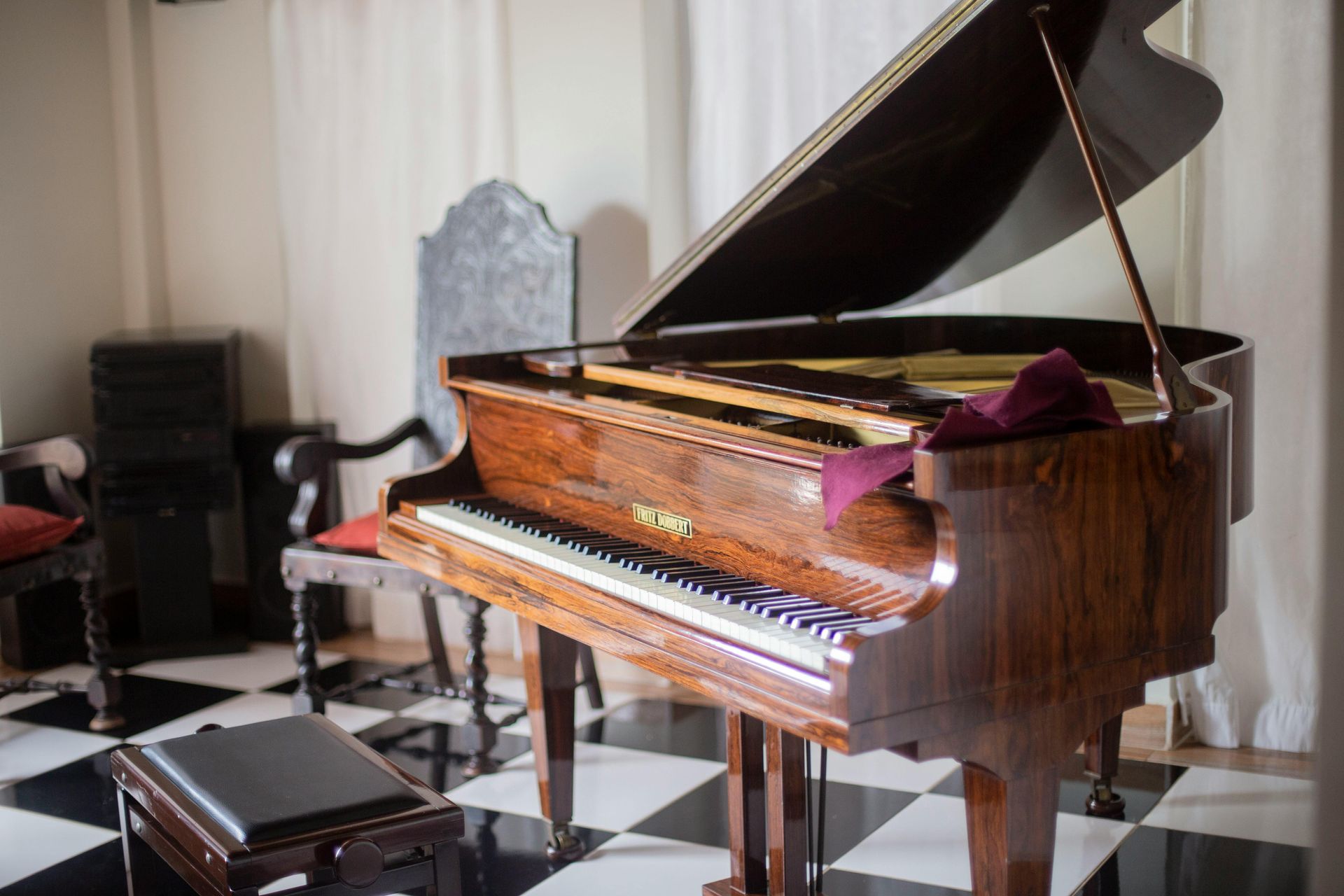
Antique pianos require piano-specific moving expertise. General movers can damage valuable instruments despite best intentions.
Piano moving specialists understand instrument mechanics, proper handling techniques, and climate protection.
Antique Dealers or Restorers
For particularly valuable or fragile antique furniture, sometimes antique dealers or furniture restorers offer moving services or recommendations for specialists who handle museum pieces and high-value antiques.
Their expertise exceeds general moving companies and provides additional protection for irreplaceable items.
Frequently Asked Questions
Should I get separate insurance for my collectibles, or is the moving company's insurance enough?
Moving company insurance, even full-value protection, often has limitations and exclusions for high-value antiques and collectibles. If your collection is worth tens of thousands of dollars, specialized collectibles insurance provides better protection. Consult with insurance agents who specialize in valuable personal property to understand your options and coverage gaps in standard policies.
How do I find movers in Hot Springs who actually have experience with valuable antiques?
Ask specific questions about their experience with items similar to yours. Request references from previous clients with antiques or collectibles. Companies like Trinity Moving Company that have been in the Hot Springs area for years have experience with the antique furniture and collectibles common in the region. Look for movers who ask detailed questions about your valuables during estimates—this indicates they understand these items require special handling.
Protect What Matters Most
Moving vintage and collectible items requires expertise, appropriate materials, and careful handling that goes beyond standard residential moving. Whether you have family heirlooms, valuable collections, or investment-grade antiques, protecting these irreplaceable items demands specialized approaches. Trinity Moving Company has experience handling valuable antiques and collectibles in Hot Springs and can discuss appropriate packing, transport, and insurance options for your specific items.
Call today to discuss your collectibles and how we can help protect what can't be replaced during your move.