Storage Solutions in Hot Springs: When to Use Them During Your Move
Storage Solutions in Hot Springs: When to Use Them During Your Move
Most moves don't align perfectly. Your lease ends before your new home is ready. The house you're buying closes two weeks after you need to vacate your current property. You're downsizing but haven't finished sorting through everything. You're relocating for work but your family isn't moving for another month.
These timing gaps create a practical problem—where do your belongings go when you can't move directly from one location to another? Storage becomes the bridge between where you were and where you're going, but understanding when storage actually makes sense versus when it's an expensive Band-Aid on poor planning helps you make smart decisions.
Hot Springs has multiple storage options ranging from climate-controlled units to basic outdoor storage, each with different costs, features, and appropriate uses. Knowing which type of storage fits your situation and how to use it efficiently during a move prevents paying for space you don't need or discovering too late that you needed features you don't have.
Here's when storage solutions actually help during Hot Springs moves and how to use them strategically.
Common Situations Where Storage Makes Sense
Storage isn't always necessary, but specific circumstances make it the practical solution.
Timing Gaps Between Properties
You're selling your home with a closing date of June 15th, but the house you're purchasing doesn't close until July 1st. You need somewhere for your belongings during that two-week gap.
Short-term storage bridges this timing mismatch. You move out of your sold property on schedule, store belongings temporarily, then move into your new home when it's available.
This is one of the most common and legitimate uses for storage during moves. The alternative—trying to negotiate rent-back agreements or paying for temporary housing that accommodates all your furniture—is often more expensive and complicated than temporary storage.
Downsizing in Stages
You're moving from a 2,500 square foot house to a 1,200 square foot condo but haven't finished deciding what to keep, sell, or donate. Rather than rushing decisions, you move into your new smaller space with items you definitely need and store the rest while you take time to sort thoughtfully.
This prevents bringing too much into a space where it doesn't fit while giving you time to make better decisions about possessions without the pressure of an immediate deadline.
However, be honest about whether you're using storage strategically or just avoiding difficult decisions. If items sit in storage for six months without you missing them, you probably don't need them.
Staged Home Sales
Real estate agents often recommend staging homes with minimal furniture for better showings. If you're selling your Hot Springs property, you might move most belongings into storage while keeping a few key pieces for staging.
This creates clean, spacious-looking rooms that photograph well and show better to potential buyers. Once the house sells, you retrieve your items from storage and complete your move.
Renovations at New Location
Your new home needs work before you can move in—flooring replacement, kitchen remodel, or major repairs. You can't live there yet, but you've already vacated your previous property.
Storage keeps your belongings safe and out of the way while renovations happen. Once work completes, you move everything in without having navigated around construction or risked damage from renovation activities.
Military and Job Relocations With Uncertain Timing
Military families and professionals with job relocations sometimes face uncertain arrival dates at new duty stations or work locations. Storage at the origin or destination provides flexibility when exact timelines aren't confirmed.
You can move out on schedule even if your arrival date at the new location isn't finalized yet.
Seasonal Residents
Some people live in Hot Springs seasonally, spending summers elsewhere or wintering in warmer climates. Storage allows you to keep belongings in Hot Springs without maintaining a full residence year-round.
This works for people who return regularly but don't need or want to pay for housing during months they're away.
Types of Storage Available in Hot Springs
Different storage types serve different purposes and come with varying costs.
Climate-Controlled Indoor Units
These are fully enclosed units inside buildings with temperature and humidity control. They protect items sensitive to heat, cold, and moisture—furniture, electronics, important documents, photographs, and anything that could be damaged by extreme temperatures or humidity.
Hot Springs summers are hot and humid. Non-climate-controlled storage means your items experience 100+ degree temperatures and high humidity for months. Wood furniture can warp, electronics can be damaged, and photographs can deteriorate.
Climate-controlled storage costs more but provides essential protection for most household goods during Hot Springs' extreme summer conditions.
Standard Indoor Units
These are enclosed units inside buildings but without climate control. They protect from weather and theft but don't regulate temperature or humidity.
This works for items less sensitive to temperature—tools, outdoor equipment, or belongings you're storing short-term during moderate weather seasons.
For most household moves involving furniture and personal belongings, climate control is worth the additional cost, especially if storage extends through summer months.
Outdoor Storage Units
These are standalone units, essentially small sheds, accessible from outside. They're the least expensive option but offer minimal protection from temperature extremes.
Outdoor units work for vehicles, lawn equipment, or items that aren't temperature-sensitive. They're not appropriate for furniture, electronics, or anything damaged by heat and humidity.
Portable Storage Containers
Companies deliver storage containers to your property, you load them at your pace, and they're either stored at a facility or transported to your new location.
This eliminates the need to load a truck, drive to a storage facility, and unload—you pack once, and the container moves for you. It's convenient but typically more expensive than traditional storage units.
Some moving companies offer this service integrated with moving, keeping your belongings in their containers until you're ready for delivery.
Vehicle and Boat Storage
Covered or uncovered spaces designed for vehicles, boats, RVs, and trailers. If you're downsizing or moving to a property without adequate parking or boat storage, these specialized spaces store large items that won't fit in standard units.
Calculating How Much Storage You Need
Storage facilities charge based on unit size. Estimating accurately prevents paying for more space than necessary or cramming belongings into too-small units.
Standard Size Ranges
5x5 units (25 square feet) hold about one room's worth of boxes and small items—roughly the contents of a walk-in closet.
5x10 units (50 square feet) accommodate a small apartment or single bedroom—some furniture plus boxes.
10x10 units (100 square feet) fit a one-bedroom apartment or two bedrooms' worth of belongings—several pieces of furniture, appliances, and boxes.
10x15 units (150 square feet) hold two-bedroom apartments or small houses—major furniture pieces, appliances, and substantial boxes.
10x20 or larger units (200+ square feet) accommodate three-bedroom houses or larger—entire household contents.
Estimating Your Needs
Walk through what you're actually storing. Count major furniture pieces and estimate box quantities. Most storage facilities have sizing guides showing how much fits in each unit size.
It's better to slightly overestimate than to rent a unit that's too small and have to upgrade or rent additional space. However, significantly oversizing wastes money on unused square footage.
Vertical Space Utilization
Storage units have height, not just floor space. You can stack boxes and use vertical space efficiently to fit more in smaller units.
Shelving units maximize vertical storage and keep items organized and accessible. The upfront cost of shelving is often worth it for longer storage periods.
Costs and Budgeting
Storage adds to moving expenses. Understanding typical costs helps with budgeting.
Monthly Rental Rates in Hot Springs
Small units (5x5) typically run $40-70 per month. Medium units (10x10) range from $80-130 monthly. Larger units (10x20) cost $150-250 or more per month.
Climate-controlled units cost 20-40% more than standard units of the same size. Additional features like 24-hour access, enhanced security, or ground-floor units may carry premium pricing.
Additional Fees
Most facilities require a security deposit, often equal to one month's rent. Administrative fees for setting up accounts are common—typically $10-30.
Insurance for stored items costs extra but is often required or strongly recommended. This runs $10-30 monthly depending on coverage amount.
Lock purchases are your responsibility—$10-30 for a quality lock that meets facility requirements.
Total Cost Calculations
Storage for three months in a climate-controlled 10x10 unit might total:
- First month: $110 rent + $110 deposit + $20 admin fee + $15 insurance + $20 lock = $275
- Months two and three: $110 rent + $15 insurance each = $250 total
- Three-month total: approximately $525
For six months in the same unit, you're looking at roughly $900 total. This helps you evaluate whether storage makes financial sense compared to alternatives.
When Storage Becomes Expensive
Short-term storage for one to three months during moving transitions makes economic sense. Six months starts becoming expensive. A year or more of storage costs often exceed the replacement value of what you're storing.
If you're paying $150 monthly to store furniture you could replace for $1,500, you've spent more than replacement cost after ten months. At that point, you should have either retrieved the items or sold them.
Strategic Packing for Storage
How you pack for storage affects both how much fits and the condition of items when you retrieve them.
Use Quality Boxes and Materials
Items might sit in storage for months. Cheap boxes deteriorate, collapse when stacked, and fail to protect contents adequately.
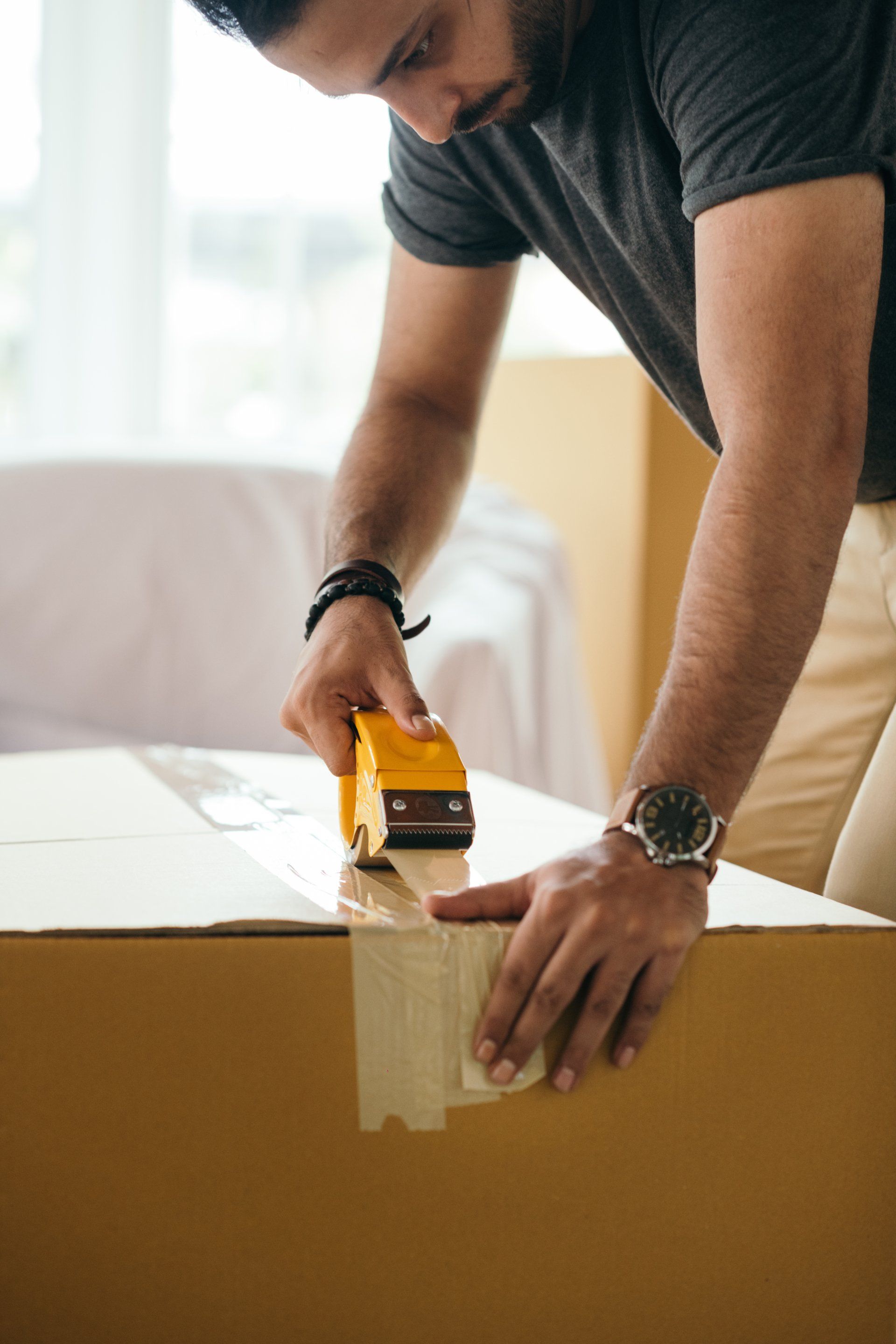
Invest in sturdy boxes designed for storage. Pack fragile items properly with adequate cushioning. Use furniture covers and padding to protect finishes.
Label Everything Clearly
Mark boxes with contents and the room they're from. Number boxes and maintain an inventory list of what's in each.
If you need to retrieve specific items from storage mid-term, clear labels prevent unpacking half the unit searching for one box.
Disassemble Furniture When Practical
Tables, bed frames, and furniture with removable parts take less space when disassembled. Wrap and protect parts carefully and label hardware so reassembly is straightforward.
Create Aisles and Access Paths
Don't pack storage units solid from front to back. Leave aisles so you can access items without moving everything else.
Place items you might need access to near the front. Things you definitely won't touch until final move-out can go to the back.
Protect From Moisture and Pests
Even in climate-controlled units, use mattress covers, furniture pads, and sealed containers for fabric items. This protects from dust and potential pest issues.
Don't store food, perishables, or anything that could attract rodents or insects. Most facilities prohibit this anyway, but it's worth emphasizing.
Fill Furniture Drawers
Dressers, file cabinets, and furniture with drawers can hold lighter items like linens, clothes, or paperwork. This maximizes space usage and reduces box quantity.
Secure drawers with tape or plastic wrap so they don't slide open during moving.
How Long to Keep Items in Storage
Storage is a tool, not a solution. Using it effectively means having clear timelines.
Short-Term Storage (1-3 Months)
This is ideal for bridging timing gaps during moves. You have specific end dates and know exactly when you'll retrieve items.
Short-term storage is cost-effective and serves its purpose without becoming an expensive long-term habit.
Medium-Term Storage (3-6 Months)
This works for renovation situations, staged home sales, or seasonal relocations where you know the approximate endpoint but need flexibility.
At this duration, seriously evaluate whether everything in storage is worth keeping. Items you haven't thought about in four months probably aren't essential.
Long-Term Storage (6+ Months)
Long-term storage should be intentional and strategic. Military deployments, extended travel, or genuine seasonal residence situations justify it.
Using storage simply because you can't decide what to do with possessions is expensive procrastination. The monthly cost accumulates, and you're paying to avoid decisions.
When to Empty Storage and Move On
If you've had items in storage for six months and haven't missed them or needed anything from the unit, it's time to make decisions.
Sell, donate, or discard items you're storing out of guilt or obligation rather than genuine need or value. Paying monthly rent to store things you'll never use again makes no financial sense.
Alternatives to Traditional Storage
Storage units aren't the only option for handling belongings during moving transitions.
Moving Company Storage
Some moving companies offer storage as part of their services, keeping your items in their warehouse until you're ready for delivery. This eliminates the need to load and unload at a storage facility—movers handle everything.
This is often called "storage in transit" and can be particularly convenient for longer-distance moves with uncertain delivery dates.
Companies like Trinity Moving Company sometimes provide this service, keeping belongings secure until you're ready for final delivery.
Portable Container Services
PODS and similar services deliver containers you pack, then store them at their facility or move them to your destination. You only load and unload once rather than handling items multiple times.
This costs more than traditional storage but offers significant convenience.
Family or Friend Storage
If you have family or friends in Hot Springs with garage space, basements, or extra room, storing items with them temporarily is free or low-cost.
This works for short-term situations but can strain relationships if storage extends longer than expected. Set clear timelines and stick to them.
Selling and Replacing
Sometimes selling items before moving and replacing them after settling in costs less than moving and storing them, especially for inexpensive furniture or appliances.
Calculate the cost of moving, storing, and moving again versus selling low-value items and buying replacements at your destination. The answer might surprise you.
Security and Insurance Considerations
Protecting items in storage requires attention to security and insurance coverage.
Facility Security Features
Look for storage facilities with gated access, individual unit alarms, video surveillance, and on-site management. These features reduce theft and damage risk.
24-hour access is convenient but can compromise security compared to facilities with staffed hours and controlled access.
Lock Quality Matters
Use high-quality disc locks or heavy-duty padlocks that resist cutting and tampering. Cheap locks are easily defeated and signal to thieves that you're not serious about security.
Storage Insurance Coverage
Your homeowner's or renter's insurance might cover items in storage, but coverage is often limited. Verify what your existing policy covers before assuming you're protected.
Storage facility insurance provides additional coverage specifically for stored items. This costs monthly but protects against theft, fire, and damage.
For high-value items—antiques, electronics, collectibles—adequate insurance is essential. Calculate replacement value and ensure coverage matches.
Inventory Documentation
Photograph valuable items before storage and maintain detailed inventory lists. If you need to file insurance claims, documentation proves what you stored and its condition.
Frequently Asked Questions
Can I access my storage unit anytime, or are there restrictions?
Access hours vary by facility. Some offer 24/7 access with gate codes. Others have office hours—typically 6 AM to 9 PM or similar. Climate-controlled indoor units may have more restricted access than outdoor units. Clarify access policies before renting, especially if you anticipate needing to retrieve items on short notice or outside business hours.
What items are prohibited from storage units in Hot Springs?
Most facilities prohibit hazardous materials, perishable food, flammable liquids, weapons, illegal items, and anything living (plants or animals). Some restrict items with strong odors or that could attract pests. Violating these policies can result in unit termination and forfeiture of your deposit. Read your rental agreement carefully and ask about any items you're uncertain about.
Use Storage Strategically, Not Indefinitely
Storage solutions serve important purposes during Hot Springs moves when used strategically for defined periods. Understanding when storage makes sense, choosing appropriate unit types, and having clear timelines for retrieving items prevents storage from becoming expensive, permanent limbo for possessions you should have dealt with decisively. If you need moving services that coordinate with storage solutions, Trinity Moving Company can help plan moves that incorporate storage efficiently.
Call today to discuss your moving timeline and whether storage makes sense for your specific situation.